
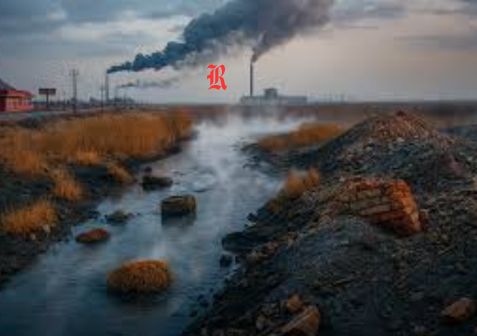
Water Pollution in 2025: A Growing Global Crisis Threatening Health, Ecosystems, and Economies
December 18, 2025 – Water pollution remains one of the most pressing environmental challenges of our time, affecting billions of people and countless ecosystems worldwide. As we enter the final weeks of 2025, recent reports highlight alarming trends: from persistent “forever chemicals” like PFAS contaminating drinking water supplies to widespread plastic waste choking rivers and oceans.
Understanding the causes, effects, and solutions to water pollution is crucial for safeguarding our planet’s most vital resource.According to the World Health Organization (WHO) and UN reports updated in 2025, over 2.2 billion people still lack access to safely managed drinking water, with contamination playing a major role. Untreated wastewater continues to pollute rivers, lakes, and groundwater, exacerbating health risks and biodiversity loss.
The Major Causes of Water Pollution in 2025
Water pollution arises from a variety of sources, many intensified by urbanization, industrialization, and climate change. Key contributors include:
- Industrial Discharge: Factories release toxic chemicals, heavy metals, and wastewater directly into waterways. In 2025, incidents like PFAS spikes in the Ohio River, traced to manufacturing plants, underscore ongoing issues despite regulations.
- Agricultural Runoff: Fertilizers, pesticides, and manure from farms cause nutrient pollution, leading to eutrophication. Global urbanization has amplified this, with a 2025 European Environment Agency report identifying built-up areas as the primary driver of water quality decline over the past two decades.
- Untreated Sewage and Wastewater: In many developing regions, household wastewater is discharged without treatment. UN data from 2025 indicates that 44% of global household wastewater is not safely treated, releasing pathogens and pollutants.
- Plastic and Microplastic Waste: Rivers carry massive amounts of plastic to oceans. Projections warn that without action, annual plastic waste in waters could hit 29 million tons by 2040.
- Emerging Contaminants: Pharmaceuticals, personal care products, and “forever chemicals” (PFAS) are increasingly detected. In the U.S., 2025 data shows millions more Americans exposed to PFAS in drinking water.
- Oil Spills and Mining: Accidental spills and acid mine drainage continue to threaten aquatic systems.
Climate change worsens these issues by altering rainfall patterns, increasing runoff, and intensifying droughts that concentrate pollutants.
Devastating Effects on Human Health and the Environment
The consequences of water pollution are profound and far-reaching.Impact on Human HealthContaminated water is linked to numerous diseases.
WHO estimates that polluted drinking water causes diarrhea, cholera, dysentery, typhoid, and polio, affecting millions annually. In 2025, exposure to heavy metals like arsenic and lead is associated with neurological damage and increased cancer risk.
PFAS, dubbed “forever chemicals,” are linked to immune system issues, fertility problems, and developmental delays.Vulnerable populations, including minority and low-income communities, face disproportionate risks. A 2025 report on the Colorado River highlights segregated access to clean water, with higher pollutant exposure for Native American, Hispanic, and Black populations.
Environmental and Ecological Damage
Polluted waters disrupt ecosystems:
- Eutrophication and Algal Blooms: Excess nutrients deplete oxygen, creating “dead zones” where marine life cannot survive.
- Biodiversity Loss: Toxins kill fish, corals, and other species. Dead fish washing ashore from pollution events are a stark reminder.
- Ocean Acidification: Coastal upwelling brings CO2-rich waters to the surface, intensifying harm to marine life.
- Food Chain Disruption: Microplastics and chemicals accumulate in seafood, affecting wildlife and humans.
Economic impacts are staggering: reduced fisheries, tourism losses, and higher water treatment costs strain global economies.
Recent Developments and Hotspots in 2025
This year has seen several notable incidents:
- PFAS contamination in U.S. cities like Louisville, Kentucky, traced to industrial sources.
- Cocaine byproducts detected in UK and Irish waterways, indicating pharmaceutical pollution.
- Disproportionate impacts on minority groups along the Colorado River.
- Ongoing crises in Florida wells and California’s Salton Sea, fueled by chemicals and runoff.
- EU updates to pollutant lists, adding new substances and strengthening monitoring.
Global studies confirm half the world’s countries have degraded freshwater systems, with pollution risking the health of 4.8 billion people by 2030 if monitoring doesn’t improve.
Solutions and Hopeful Progress in Combating Water Pollution
While the challenge is immense, 2025 brings innovative solutions and policy advancements:
- Improved Wastewater Treatment: Advanced technologies like bioremediation and nanotechnology remove contaminants efficiently. Only a fraction of wastewater is reused today, but investments could change that.
- Regulatory Strengthening: The EU’s 2025 agreement updates pollutant standards. In the U.S., EPA actions target PFAS, though delays in some rules persist.
- Sustainable Agriculture: Reducing fertilizer use and implementing buffer zones minimize runoff.
- Plastic Reduction and Cleanups: Initiatives like The Ocean Cleanup deploy systems to intercept river plastic.
- Community and Individual Actions: Beach and river cleanups, proper waste disposal, and reducing household chemicals make a difference. Innovations from “aquapreneurs” focus on low-cost solutions for developing regions.
- Green Infrastructure: Urban planning with permeable surfaces and wetlands naturally filters pollutants.
- Monitoring and Innovation: Better data collection and AI-driven systems detect issues early.
Experts emphasize prevention at the source: stricter industrial controls, sustainable practices, and global cooperation.
A Call to Action for Cleaner Waters
Water pollution in 2025 is a clarion call for urgent action. With billions affected and ecosystems on the brink, delaying solutions risks irreversible damage. Yet, through technology, policy, and collective effort, we can turn the tide. Governments, industries, and individuals must prioritize clean water to ensure a healthy planet for future generations.
ws32+7By addressing water pollution today—reducing waste, supporting innovations, and advocating for stronger protections—we can secure safe, abundant water tomorrow.1

Rakesh Pandey is a seasoned media professional and editor with over 20 years of rich experience spanning print, digital, and electronic (television) media in India and abroad.