

Hormuz Island Iran: Rainbow Gem, Strait of Hormuz History, Geopolitical Tensions & Tourism Guide 2025
Hormuz Island, a gem in Iran’s Strait of Hormuz, boasts a rich history intertwined with global trade, colonial powers, and strategic geopolitics. Known as the “Rainbow Island” for its vibrant soils, it remains a focal point amid tensions in one of the world’s busiest oil chokepoints.
Island Geography and Appeal
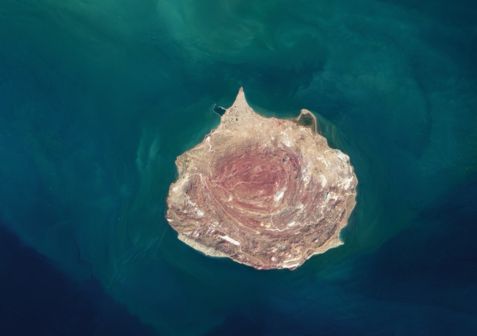
Hormuz Island lies just 5 miles off Iran’s coast in the Strait of Hormuz, bridging the Persian Gulf and Gulf of Oman. This mostly barren, hilly landmass spans about 16 square miles, with red ochre deposits that create its iconic multicolored landscapes, drawing eco-tourists and adventurers.
The sole permanent settlement, Hormuz village, sees its population halve in summer due to migration, yet it thrives on exporting ochre and salt. Travelers praise its beaches, salt caves, and geological wonders, making “Hormuz Island Iran” a top SEO search for Persian Gulf escapes.
Ancient Trade Hub Origins
Hormuz emerged as a powerhouse around 1200 AD, monopolizing trade between India, China, and the Middle East with goods like spices, indigo, and grains. Marco Polo visited twice, noting its bustling markets after Arabs conquered it post-7th century.
By 1300, its ruler relocated from mainland “Old Hormuz” to the island to dodge inland raiders, establishing “New Hormuz” as the Persian Gulf’s premier emporium under Mongol Ilkhanate tribute. This era cemented “Strait of Hormuz history” as vital to Silk Road maritime routes.wikipedia+2
Portuguese Conquest and Fall
In 1514, Portuguese forces seized Hormuz, erecting a fort to control spice trade en route to India. They held it for over a century, fending off Ottoman sieges like Piri Reis’s 1552 attempt.
Shah Abbas I of the Safavid dynasty, allied with British East India Company forces, expelled them in 1622, razing much of the city but sparing fort remnants. This “Hormuz Island Portuguese history” shift redirected commerce to Bandar Abbas on the mainland.
Modern Geopolitical Tensions
Today, Hormuz Island anchors Iran’s control over the Strait of Hormuz, through which 20% of global oil flows, making it a flashpoint.
The UAE claims it alongside other islands like Abu Musa, but Iran bolsters presence via population incentives, including military service exemptions for long-term settlers.
Supreme Leader Khamenei has ordered enhanced habitation for security, with IRGC deployments on nearby isles. Recent incidents, like Iran’s 2025 seizure of a Marshall Islands tanker in the strait, underscore violations of international law per U.S. Central Command.
Cultural and Economic Revival
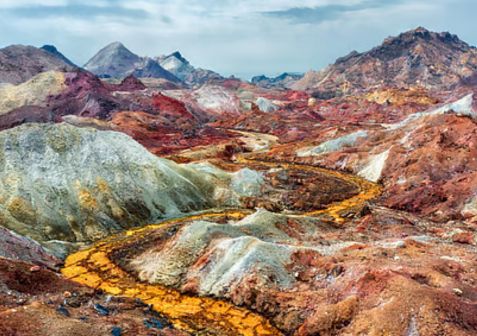
Post-Portuguese decline, Hormuz leased to Oman’s rulers from 1798-1868, but revived as a tourism hotspot. Its rainbow soils—red, yellow, white—fuel art and exports, while Arab-Omani influences blend with Persian culture.
Iran now promotes settlement: families committing 12 years gain conscription relief, aiming to populate strategic outposts. “Hormuz Island tourism Iran” spikes with cold-season visits for its mild climate and trails.
Strategic Strait of Hormuz Role
The 21-mile-wide strait, flanked by Hormuz, handles 21 million barrels of oil daily, dwarfing other chokepoints. Iran’s threats to close it amid U.S.-Israel tensions amplify its leverage, as seen in 2025 tanker grabs. IRGC naval forces patrol, with Hormuz as a forward base, heightening “Iran Strait of Hormuz news” searches.
Tourism and Visitor Guide
Hormuz captivates with Valley of the Statues, Star Valley, and ochre beaches for hiking and photography. Access via 30-minute ferry from Bandar Abbas; best November-April. Eco-lodges offer stays amid salt flats; try rainbow soil ice cream, a local treat. Safety concerns persist due to geopolitics, but it’s open to tourists with visas.
Future Prospects Amid Claims
Iran’s push to populate Hormuz counters UAE claims, with police incentives drawing families. Yet water scarcity and isolation challenge growth. As President Trump’s administration eyes Middle East stability post-2024 reelection, Hormuz remains pivotal. Balancing tourism, resources, and defense defines “Hormuz Island Iran future.”

Rakesh Pandey is a seasoned media professional and editor with over 20 years of rich experience spanning print, digital, and electronic (television) media in India and abroad.