

Clarifying the Complexity of Acne: A Comprehensive Medical and Lifestyle Guide to Clearer Skin
Acne vulgaris is one of the most pervasive skin conditions globally, affecting roughly 85% of individuals at some point between the ages of 12 and 24. However, its reach extends far beyond adolescence. Adult acne is an escalating concern, particularly among women, often persisting well into the thirties, forties, and beyond.
While frequently dismissed as a superficial cosmetic annoyance, acne is a genuine, chronic inflammatory dermatological disorder. It carries significant psychological weight, frequently correlating with heightened rates of anxiety, depression, and social withdrawal. Managing acne effectively requires shifting away from aggressive, desperate “quick fixes” and toward a systematic, scientifically validated approach. This comprehensive guide breaks down the biological triggers of acne, explores clinical and over-the-counter treatments, and outlines an evidence-based roadmap to achieving and maintaining clear skin.
1. The Anatomy of a Breakout: How Acne Forms
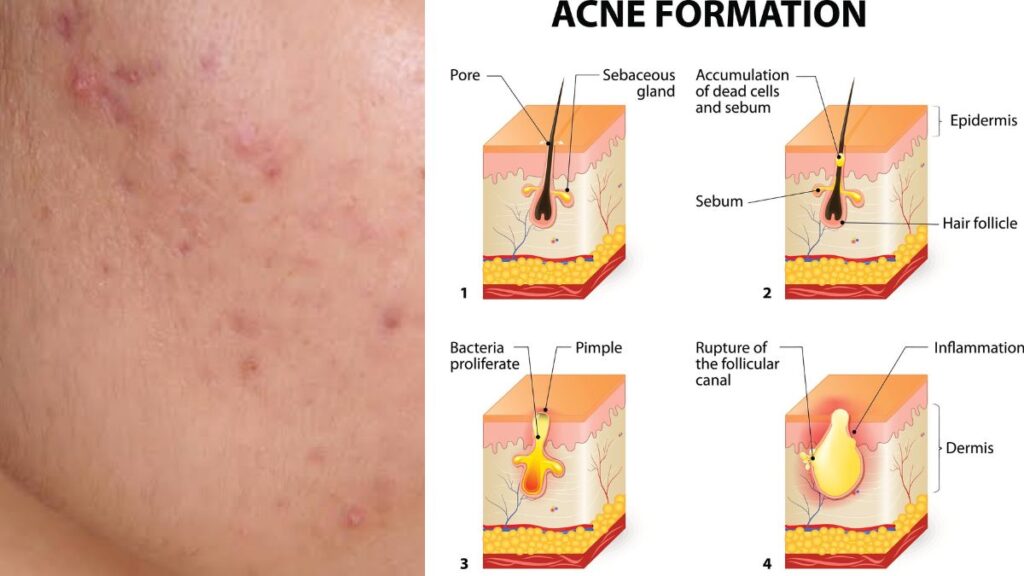
To treat acne successfully, you must first understand what is happening beneath the skin’s surface. Every acne lesion begins in the pilosebaceous unit, a microscopic structure comprising a hair follicle and its surrounding sebaceous gland (oil gland). These units are densest on the face, back, chest, and shoulders—the precise areas where acne loves to strike.
The development of a pimple is not a single event, but a cascade driven by four distinct, interconnected biological pathways:
Sebum Hypersecretion
The sebaceous glands produce sebum, a natural, waxy lipid mixture meant to lubricate and waterproof the skin. Under the influence of hormones—specifically androgens like testosterone—these glands can become hyperactive. When sebum production skyrockets, it creates a slick, oily environment that acts as the foundational fuel for acne development.
Follicular Hyperkeratinization
Your skin naturally sheds dead cells (keratinocytes) from the lining of the pore in a process of constant renewal. In acne-prone individuals, this shedding process glitches. The dead skin cells become “sticky” and fail to slough off properly. Instead, they clump together with the excess sebum, forming a dense, microscopic plug known as a microcomedo. This plug effectively seals the pore shut.
Colonization by Cutibacterium acnes
Once a pore is blocked, it becomes an oxygen-depleted, lipid-rich chamber. This is the perfect breeding ground for Cutibacterium acnes (formerly Propionibacterium acnes), a microscopic bacteria that naturally lives on the skin. In a normal environment, C. acnes is completely harmless. However, when trapped inside an oily, sealed pore, it multiplies rapidly, feeding on the trapped sebum.
Inflammation and Immune Response
As C. acnes numbers surge, the bacteria secrete chemical byproducts that damage the lining of the pore. The body’s immune system detects this damage and treats it as an active infection. It dispatches white blood cells to the scene to combat the bacteria. This influx of immune cells triggers classic inflammatory signs: swelling, redness, heat, and pain. If the pressure inside the swollen follicle becomes too great, the pore wall ruptures beneath the surface. This leaks bacteria, oil, and dead skin into the surrounding dermis, creating deep, painful lesions.
2. Categorizing Acne: Identifying Your Lesions
Acne is rarely uniform. A single person can simultaneously experience multiple types of lesions, which are broadly divided into non-inflammatory and inflammatory categories. Correctly identifying your specific acne types is a critical step, as a treatment that clears blackheads may do absolutely nothing for a deep, painful cyst.
Non-Inflammatory Acne (Comedones)
These are the earliest, mildest forms of acne, occurring before bacteria and major inflammation enter the equation.
- Whiteheads (Closed Comedones): These form when the microscopic plug stays trapped entirely beneath the skin’s surface. They appear as small, flesh-colored or white bumps. Because the pore remains sealed away from the outside air, the trapped contents do not oxidize.
- Blackheads (Open Comedones): These occur when the pore plug pushes through to the skin’s surface and opens up. The dark appearance is not dirt, which is a incredibly common misconception. Rather, it is the result of melanin and lipids within the sebum oxidizing and turning black when exposed to the air.
Inflammatory Acne
These lesions develop when the immune system responds to bacterial overgrowth inside the follicle.
- Papules: Small, raised, solid red or pink bumps that feel tender to the touch. They lack a visible center of pus and indicate early-stage localized inflammation.
- Pustules: The classic “pimple.” These are papules that have filled with a visible yellowish or white head of pus at the tip, which consists of dead white blood cells, bacterial debris, and cellular fluid.
- Nodules: Large, hard, painful lumps anchored deep within the lower layers of the skin. They lack a distinct head, can linger for months, and carry a very high risk of permanent scarring.
- Cysts: Severe, fluid-filled, painful lesions that sit deep under the skin’s surface. They feel soft and fluctuant to the touch compared to hard nodules. Cysts represent widespread, severe tissue inflammation and require professional intervention.
3. Topical Over-the-Counter (OTC) Active Ingredients
For mild to moderate acne, consistent use of over-the-counter active ingredients is often highly effective. Rather than grabbing random products, look for specific, proven molecules designed to target the core causes of acne.
| Active Ingredient | Primary Target Pathway | Recommended Starting Concentration | Best Suited For |
| Salicylic Acid (BHA) | Unclogging pores, exfoliation | 0.5% – 2.0% | Blackheads, whiteheads, oily skin |
| Benzoyl Peroxide | Killing C. acnes bacteria | 2.5% – 5.0% | Inflammatory papules and pustules |
| Adapalene (Retinoid) | Normalizing skin cell shedding | 0.1% (Gel format) | Chronic breakouts, preventing new plugs |
| Azelaic Acid | Reducing redness, clearing hyperpigmentation | 10% | Sensitive skin, post-acne marks |
Salicylic Acid (Beta Hydroxy Acid / BHA)
Unlike water-soluble Alpha Hydroxy Acids (like glycolic or lactic acid), Salicylic Acid is fat-soluble. This unique trait allows it to easily bypass surface moisture, dive deep into the oily interior of your pores, and dissolve the sticky cellular glue holding dead skin cells together. It excels at breaking down blackheads and whiteheads while offering secondary anti-inflammatory benefits to calm angry skin.
Benzoyl Peroxide
Benzoyl peroxide is an antimicrobial powerhouse. When applied, it releases oxygen deep inside the pore. Because C. acnes bacteria are anaerobic (meaning they thrive only in oxygen-free zones), the sudden flood of oxygen destroys them instantly. Critically, bacteria cannot develop a resistance to benzoyl peroxide, making it a highly reliable long-term treatment option.
A Quick Warning: Benzoyl peroxide will easily bleach towels, pillowcases, and clothing. Always let it dry completely before bed, or opt for white linens. It can also cause initial dryness, so starting with a lower 2.5% strength is usually best—it kills bacteria just as effectively as a 10% formula but causes far less irritation.
Adapalene
Once available only by prescription, adapalene is a powerful third-generation topical retinoid (a derivative of Vitamin A). It works at a cellular level to speed up skin cell turnover, ensuring that keratinocytes shed correctly instead of clumping inside pores. Adapalene is a foundational long-term preventative tool. It stops acne before it can even form, while simultaneously smoothing skin texture.
4. Prescription-Strength Topical Treatments
When over-the-counter options fail to deliver results within 6 to 8 weeks, consulting a dermatologist for prescription-strength formulations is the next logical step.
High-Potency Retinoids (Tretinoin, Tazarotene, Trifarotene)
Prescription retinoids are significantly more potent than over-the-counter adapalene. Tretinoin is the historical gold standard for regulating cell turnover, while Tazarotene is a highly potent option often reserved for stubborn, resilient acne. Trifarotene is a newer retinoid that specifically targets the retinoic acid receptors most common in the skin, delivering excellent results on both the face and body with reduced systemic irritation.
Topical Antibiotics (Clindamycin, Erythromycin)
Dermatologists frequently prescribe topical antibiotics to rapidly suppress C. acnes populations and curb spreading inflammation. However, to prevent bacteria from mutating and developing drug resistance, topical antibiotics are never used as a standalone treatment. They are almost always paired directly with benzoyl peroxide or a topical retinoid to keep the bacteria vulnerable.
Topical Anti-Androgens (Clascoterone)
Clascoterone represents a major advancement in topical acne therapy. It functions as a localized androgen receptor inhibitor. By applying it directly to the skin, it blocks circulating hormones from binding to the sebaceous glands, cutting off the hormonal signal that triggers excess oil production right at the source without affecting hormones anywhere else in the body.
5. Systemic (Oral) Medical Interventions
Moderate-to-severe acne, particularly when characterized by deep, widespread nodules or painful cysts, usually requires systemic treatment. Oral medications work from the inside out, tackling global systemic triggers that topical creams simply cannot reach.
Oral Antibiotics (Doxycycline, Minocycline)
Oral tetracycline antibiotics are widely prescribed for their dual action: they kill C. acnes populations throughout the skin while exerting powerful anti-inflammatory effects that calm deep, painful lesions. Because of antibiotic resistance risks, oral courses are strictly time-limited, typically capped at 3 to 4 months, and always paired with a topical routine.
Hormonal Therapies (Oral Contraceptives, Spironolactone)
For individuals assigned female at birth whose breakouts track with their menstrual cycles, flare up along the jawline, or persist long into adulthood, hormonal therapy can be a game-changer.
- Combined Oral Contraceptives: Birth control pills containing both estrogen and progestin signal the ovaries to scale back androgen production. This drops sebum production back down to manageable levels.
- Spironolactone: Originally designed as a blood pressure medication, spironolactone acts as an effective androgen blocker at lower doses. It shields sebaceous glands from testosterone surges, profoundly reducing deep, hormonal jawline cysts.
Oral Isotretinoin (Accutane)
Isotretinoin is the closest thing medicine has to a definitive cure for severe, scarring, or treatment-resistant acne. It is typically administered as a strict 4-to-6-month oral course. Isotretinoin is the only treatment available that aggressively targets all four core causes of acne simultaneously: it permanently shrinks sebaceous glands, shuts down excess oil production, prevents pore plugging, and halts bacterial growth.
+-------------------------------------------------------------------+
|               CRITICAL MEDICAL DISCLOSURE: ISOTRETINOIN            |
+-------------------------------------------------------------------+
| Due to its extreme potency, isotretinoin requires careful medical  |
| supervision. It is a severe teratogen, meaning it causes severe   |
| birth defects if taken during pregnancy. Patients capable of      |
| becoming pregnant must participate in monitoring programs (such   |
| as iPLEDGE in the US), utilizing two concurrent forms of birth    |
| control and undergoing monthly pregnancy and blood tests to verify |
| liver function and lipid levels. Common side effects include      |
| extreme dryness of the lips, skin, and eyes.                      |
+-------------------------------------------------------------------+
6. Procedural and In-Clinic Dermatological Treatments
In-clinic procedures can dramatically accelerate clearing when integrated into a structured, dermatologist-managed medical routine.
- Professional Chemical Peels: Utilizing high-concentration solutions of glycolic, lactic, or salicylic acid, dermatologists can rapidly exfoliate the skin’s surface. This removes built-up dead skin layers, clears stubborn comedones, and fades post-inflammatory marks much faster than at-home routines.
- Steroid Injections (Intralesional Triamcinolone): For isolated, agonizingly painful acne cysts or nodules that need to disappear quickly, a dermatologist can inject a highly diluted corticosteroid directly into the lesion. This drops inflammation almost instantly, shrinking the cyst within 24 to 48 hours and drastically reducing the risk of tissue scarring.
- Extraction and Drainage: Dermatologists use sterile instruments to physically remove stubborn whiteheads and open blackheads in a controlled setting. Never attempt this at home. Popping or squeezing acne yourself breaks the delicate inner follicular walls, driving bacteria deeper into the skin and ensuring worse breakouts and permanent scars.
7. Dietary Myths vs. Scientific Realities
The relationship between diet and acne has been a battleground of myths for decades. While older claims that “greasy foods cause pimples” have been thoroughly debunked, modern clinical research has identified two major dietary factors that genuinely influence acne severity:
                  +--------------------------------+
                  |  DIETARY ACNE TRIGGERS         |
                  +--------------------------------+
                                  |
         +------------------------+------------------------+
         |                                                 |
         v                                                 v
  HIGH-GLYCEMIC FOODS                              DAIRY PRODUCTS
  (White bread, sodas, sweets)                     (Particularly skim milk)
         |                                                 |
         v                                                 v
  Spikes blood glucose                             Contains whey & hormones
         |                                                 |
         v                                                 v
  Triggers mass Insulin surge                      Elevates systemic IGF-1
         |                                                 |
         +------------------------+------------------------+
                                  |
                                  v
                    Elevates Sebum & Inflammation
High-Glycemic Index Foods
Foods that trigger a rapid spike in blood sugar—such as white bread, sugary sodas, pastries, white rice, and processed snacks—force the pancreas to pump out a large surge of insulin. This insulin spike triggers a secondary release of an enzyme called Insulin-like Growth Factor 1 (IGF-1). IGF-1 acts as a direct stimulant on sebaceous glands, causing them to hyper-produce oil and driving up systemic inflammation. Transitioning to a low-glycemic diet rich in whole foods, vegetables, lean proteins, and complex carbohydrates stabilizes insulin levels and noticeably calms the skin.
Dairy Products
Large-scale epidemiological studies consistently point to a link between dairy consumption—especially skim milk—and increased acne severity. Milk naturally contains hormones and growth factors designed to help calves grow, including precursors to dihydrotestosterone (DHT). Furthermore, commercial processing often alters milk’s protein ratios, elevating whey proteins which can stimulate insulin pathways. If you suspect dairy is worsening your breakouts, try substituting it with unsweetened almond, oat, or soy milk for a few weeks to monitor any changes.
8. Building an Evidence-Based Daily Skincare Routine
An effective acne skincare routine does not need to be complicated or expensive. In fact, using too many products simultaneously is one of the most common reasons people accidentally worsen their breakouts. Your goal should be a streamlined, consistent routine focused on protecting your skin barrier while letting your active treatments do their job.
1.Cleanse Gently:Morning and Night.
Wash your face using a gentle, fragrance-free, non-comedogenic cleanser. Avoid harsh scrubs, washcloths, or mechanical brushes, which cause micro-tears in the skin barrier and spread inflammation. Pat dry gently with a clean towel.
2.Apply Targeted Active Treatments:As Directed.
Apply your chosen active treatment across the entire affected area—not just as a spot treatment on active pimples. In the morning, this might be an antioxidant like Vitamin C or azelaic acid. At night, apply your topical retinoid or benzoyl peroxide to a completely dry face.
3.Hydrate and Protect the Skin Barrier:Crucial Step.
A common mistake is skipping moisturizer out of fear that it will cause more oil. However, dehydrated skin will actually overcompensate by pumping out even more sebum. Apply a lightweight, oil-free, gel-based moisturizer to lock in hydration and soothe irritation.
4.Apply Sunscreen:Morning Only.
Many acne treatments, especially retinoids and acids, make your skin significantly more sensitive to ultraviolet (UV) radiation. Protect your skin by applying a broad-spectrum, SPF 30 or higher, non-comedogenic sunscreen every single morning.
9. Managing and Fading Post-Acne Marks and Scarring
Even after active acne is completely cleared, the marks left behind can be just as frustrating. It is crucial to distinguish between temporary color changes and permanent structural skin damage, as their treatments are completely different.
Hyperpigmentation vs. Erythema
- Post-Inflammatory Erythema (PIE): These are flat pink, red, or purple marks left behind after a pimple heals. They are caused by damaged or dilated microscopic capillaries near the skin surface. PIE responds best to soothing, barrier-repairing ingredients like niacinamide, centella asiatica, and vascular lasers.
- Post-Inflammatory Hyperpigmentation (PIH): These are flat brown or black marks caused by an overproduction of melanin triggered by skin inflammation. PIH is most common in darker skin types. It responds beautifully to tyrosinase inhibitors—ingredients that slow down melanin production—such as vitamin C, alpha arbutin, kojic acid, tranexamic acid, and chemical exfoliants.
True Structural Acne Scars
True scars occur when severe, deep inflammation (like a cyst) permanently destroys the underlying collagen architecture of the dermis. Topical creams cannot fix depressed or raised scars. Resolving them requires professional, in-office structural remodeling:
- Atrophic (Depressed) Scars: These include boxcar, rolling, and deep icepick scars. They are treated using microneedling to stimulate new collagen production, laser resurfacing to smooth out surface textures, or subcision, a surgical technique where a dermatologist inserts a needle beneath the skin to break up the fibrous bands pulling the scar downward.
- Hypertrophic (Raised) Scars: These occur when the body creates too much collagen while trying to heal. They are typically treated with localized cortisone injections to flatten the raised tissue, or silicone sheets to soften the scar matrix.
10. The Golden Rules of Acne Management
Achieving clear skin is ultimately a marathon, not a sprint. To prevent common setbacks and keep your skin moving in the right direction, keep these fundamental principles in mind:
- Give treatments time to work: Skin cells take roughly 28 days to fully renew. A new acne regimen requires a solid 6 to 8 weeks of consistent use before you can accurately judge whether it is working. Expecting overnight results leads to jumping between products, which destroys your skin barrier.
- Expect a “purging” phase: When you start a product that speeds up cell turnover (like a retinoid or salicylic acid), it accelerates the development of microcomedones that were already forming deep under your skin. This temporary flare-up, known as purging, is normal and typically clears up within 4 weeks.
- Apply products globally: Do not treat acne like a game of whack-a-mole by only applying creams to visible pimples. Apply your active treatments evenly across the entire area (the whole face, chest, or back) to stop invisible microcomedones from turning into tomorrow’s breakouts.
- Prioritize barrier health: If your skin becomes red, peeling, burning, or raw, scale back your active ingredients. A compromised skin barrier is highly vulnerable to bacterial invasion and worsened inflammation.
Acne is a complex, multifactorial condition, but it is entirely manageable with the right approach. By understanding the biological pathways driving your breakouts, utilizing scientifically validated active ingredients, maintaining a gentle daily routine, and partnering with a dermatologist when needed, you can take full control of your skin health and build a clear, confident complexion.

Rakesh Pandey is a seasoned media professional and editor with over 20 years of rich experience spanning print, digital, and electronic (television) media in India and abroad.