

HyperOS 3: Xiaomi’s Latest OS Update Trending Worldwide – Features, Eligible Devices, and Rollout Details (December 2025)
In the fast-paced world of smartphone software, Xiaomi’s HyperOS 3 is currently dominating trends across social media and tech forums. As of December 17, 2025, the update is making waves due to its ongoing global rollout, bringing Android 16 to flagship devices like the Xiaomi 15 Ultra and expanding to older models.
With enhanced AI capabilities, smoother animations, and deeper ecosystem integration, HyperOS 3 represents Xiaomi’s bold push to rival iOS-inspired features while delivering flagship-level performance to mid-range phones. If you’re a Xiaomi, Redmi, or POCO user, this could be the upgrade you’ve been waiting for. Let’s dive into everything you need to know about HyperOS 3, why it’s trending now, and what it means for your device.
Why Is HyperOS 3 Trending Right Now?
HyperOS 3 has exploded in popularity this December, thanks to a surge in stable updates reaching global users. Recent rollouts for high-profile devices like the Xiaomi 15 Ultra (global versions receiving Android 16-based builds) and older flagships such as the Xiaomi 13 series have sparked excitement. On platforms like X (formerly Twitter), users are sharing screenshots of new features, update notifications, and even festive additions like Christmas-themed camera watermarks.
The buzz is amplified by Xiaomi’s aggressive expansion: updates are hitting three-year-old devices, mid-rangers, and even tablets. Complaints about emulation performance drops and gaming issues have added controversy, but positive feedback on fluidity and AI tools dominates. With Christmas around the corner, Xiaomi’s timely additions (e.g., holiday camera filters) and the promise of a “smarter” experience are fueling shares and discussions. Searches for “HyperOS 3 update,” “HyperOS 3 features,” and “HyperOS 3 eligible devices” are at an all-time high.
What Is HyperOS 3? A Quick Overview
HyperOS 3 is Xiaomi’s custom Android skin, succeeding HyperOS 2 and replacing the long-running MIUI. Built primarily on Android 16 (with some Android 15-based versions for older hardware), it focuses on performance optimization, AI integration, and seamless cross-device connectivity. Unveiled globally in late 2025, it first shipped on devices like the Xiaomi 17 series and has since rolled out in phases.Key goals of HyperOS 3:
- Smoother, more efficient user experience.
- Deeper AI features powered by Google Gemini.
- Enhanced ecosystem interconnectivity, even with non-Xiaomi devices like iPads and Macs.
- Visual refreshes inspired by modern design trends (yes, including iOS-like elements).
Top New Features in HyperOS 3 That Everyone Is Talking About
HyperOS 3 isn’t just an incremental update—it’s packed with game-changing features that make it feel fresh and intuitive. Here’s a breakdown of the standout additions:
- HyperIsland (or Super Island): Xiaomi’s take on Apple’s Dynamic Island. This floating notification hub displays live activities from over 60 apps, supporting real-time info like delivery tracking, music controls, and timers. It expands for more details and works across 75+ scenarios. Users love its flexibility, with support for multiple islands simultaneously.
- AI-Powered Tools: Deep integration with Google Gemini brings generative AI for writing assistance, smart screen recognition, and offline translations. New Gallery editor updates include advanced cropping (with options to replace or duplicate images) and pet recognition. HyperOS 3 also adds AI writing styles and “DeepThink” mode for enhanced productivity.
- Visual and Animation Overhaul: New system icons, rounded corners, smoother transitions, and blur effects create a cleaner, more modern look. The lock screen gets big clock customization, dynamic wallpapers, and refreshed widgets that adapt to themes.
- Cross-Device Connectivity: “Touch to Share” allows proximity-based file transfers (photos, videos, Wi-Fi passwords) between Xiaomi devices—and even iPhones (iOS 17+). Mirror your phone screen to an iPad, run multiple apps on a Mac, or unlock your Xiaomi phone via Touch ID/Face ID on Apple devices. Xiaomi Interconnectivity app bridges gaps for hotspot sharing and notifications.
- Performance Boosts: Optimized resource management for better battery life and multitasking. Some users report it rivals top skins like ColorOS 16 in smoothness.
- Seasonal Fun: Just in time for holidays, new Christmas watermarks in the camera app with “Merry Christmas” text, trees, and colorful icons.
- Other Enhancements: Improved control center, unified app optimizations, and security upgrades from Android 16.
These features make HyperOS 3 feel premium, even on budget devices. However, some emulation enthusiasts note performance dips in high-RAM apps due to aggressive memory management—Xiaomi is reportedly addressing this in future patches.
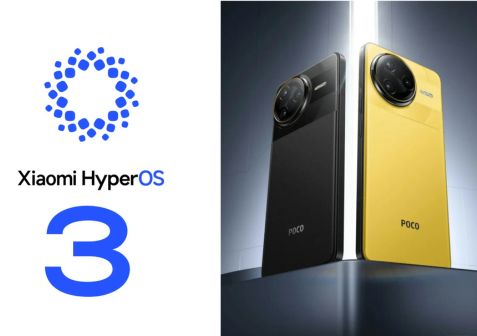
HyperOS 3 Rollout: Eligible Devices and Timeline
Xiaomi’s rollout is phased, starting in China (October 2025) and going global shortly after. As of mid-December 2025, updates are accelerating, with recent batches hitting flagships and older models.Recent Highlights (December 2025):
- Xiaomi 15 Ultra: Global stable update (e.g., 3.0.5.0.WOAEUXM for EU/UK) brings full Android 16 features.
- Xiaomi 13 Series, 13 Ultra, Mix Fold 3: Now receiving in China; global in January.
- Redmi Note Series: Note 15 Pro+, Note 14 Pro+, Note 13 Pro+ getting updates.
- POCO and Redmi Mid-Rangers: Devices like POCO F7 Pro, Redmi 13 seeing rollouts.
Full eligible devices include dozens from Xiaomi, Redmi, and POCO lines, extending to three-year-old flagships. Tablets like Xiaomi Pad 7 and wearables are also supported.Timeline:
- Flagships: October-November 2025.
- Mid-range/Older: December 2025-March 2026.
- Check your device via Settings > About Phone > System Updates.
If your phone is on the list, expect notifications soon—rollouts are staggered for stability.
Pros and Cons: Is HyperOS 3 Worth the Hype?Pros:
- Flagship AI and connectivity on affordable devices.
- Noticeably smoother than previous versions.
- Excellent ecosystem features for multi-device users.
- Long-term support for older phones.
Cons:
- Some gaming/emulation performance issues (e.g., force-closing high-memory apps).
- Rollout delays frustrating global users.
- Heavily inspired by iOS (HyperIsland draws comparisons).
Overall, HyperOS 3 elevates Xiaomi’s software game, making it a strong competitor to Samsung’s One UI and Google’s Pixel UI.
How to Get HyperOS 3 and Tips for a Smooth UpdateTo check eligibility:
- Go to Settings > About Phone > HyperOS version.
- Tap “Check for updates.”
Tips:
- Backup data first.
- Use Wi-Fi and ensure 50%+ battery.
- Clear space (updates can be 9GB+).
- If delayed, join Mi Pilot program for early access.
For the latest, follow Xiaomi’s official channels or communities.
The Future of HyperOS: What’s Next for Xiaomi Users?
HyperOS 3 solidifies Xiaomi’s vision of a connected ecosystem, blending Android’s openness with smart, intuitive features. With AI at its core and support for cross-platform compatibility (even Apple devices), it’s positioning Xiaomi as a leader in affordable innovation.As rollouts continue into 2026, expect patches fixing minor issues and more devices joining the list.
If you’re holding off on a new phone, HyperOS 3 breathes new life into older Xiaomi hardware.HyperOS 3 isn’t perfect, but its trending status is well-deserved—it’s smarter, faster, and more fun than ever. Stay updated, and enjoy the upgrade!

Rakesh Pandey is a seasoned media professional and editor with over 20 years of rich experience spanning print, digital, and electronic (television) media in India and abroad.