

Osman Hadi: From July Revolution Hero to Assassinated Youth Icon – Shocking Death Sparks Bangladesh Protests
In the heart of Dhaka’s chaotic streets, Sharif Osman Hadi rose from a humble madrasa student’s life in Nalchity to ignite Bangladesh’s 2024 July Revolution, toppling a dictator and rallying millions against oppression.
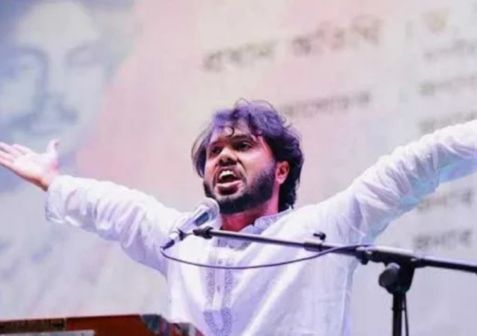
As the fiery spokesperson for Inqilab Mancha, this 32-year-old youth icon fearlessly championed sovereignty, skewered foreign meddling—especially from India—and bid for Dhaka-8 in the 2026 elections with promises of justice.
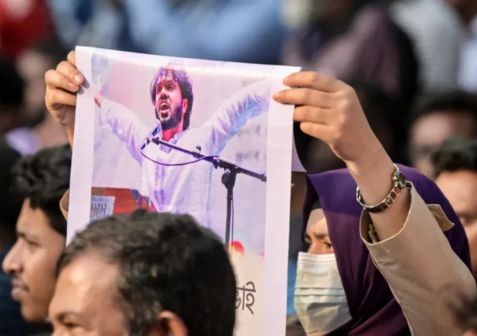
But on December 12, 2025, masked assassins gunned him down outside a Paltan mosque, shattering his jaw and sending shockwaves through a fragile nation.
Airlifted to Singapore, Hadi succumbed on December 18, his death exploding into nationwide riots, anti-India fury, and calls for vengeance from interim leader Muhammad Yunus.
From rural roots to revolutionary martyr, Osman Hadi’s blood-soaked legacy demands answers: Who silenced Bangladesh’s boldest voice, and what inferno awaits?
Osman Hadi, the fiery Bangladeshi youth leader and Inqilab Mancha spokesperson, rose from humble roots to become a symbol of the 2024 July Revolution before his tragic assassination in 2025. His death sparked nationwide protests, highlighting ongoing tensions in Bangladesh’s fragile democracy.
Early Life and Education
Osman Hadi, born Sharif Osman bin Hadi on June 30, 1993, in Nalchity Upazila, Jhalokathi District, grew up in a modest Muslim family as the youngest of six siblings. His father served as a madrasa teacher and local imam, immersing Hadi in a religious educational environment from childhood. He completed his Alim-level studies at Jhalakati N S Kamil Madrasa before pursuing Political Science at the University of Dhaka, where he honed his ideological foundations.
Hadi’s rural upbringing in southern Bangladesh shaped his worldview, blending faith, community service, and a passion for justice. Despite financial hardships, his academic journey at Dhaka University exposed him to political discourse amid growing youth unrest. This period laid the groundwork for his transformation into a vocal activist.
Rise in the July Revolution
During Bangladesh’s explosive 2024 July Revolution—a student-led uprising that toppled Prime Minister Sheikh Hasina’s autocratic regime—Hadi emerged as a key organizer in Dhaka’s Rampura area. Residing there, he coordinated local protests, channeling public anger over quota systems and government repression into organized action. His role amplified the movement’s momentum, turning street demonstrations into a national force for change.
Hadi criticized established opposition groups for attempting to hijack the uprising, positioning himself as a defender of its grassroots spirit. He advocated for accountability over protest deaths, framing the revolution as a fight against “fascism” and foreign influence, particularly from India. By late 2024, Hadi had become a polarizing yet iconic figure among youth demanding sovereignty and justice.geo+3
Founding Inqilab Mancha
On August 13, 2024, Hadi co-founded Inqilab Mancha (also spelled Inqilab Moncho or Inquilab Mancha) at Dhaka University’s Teacher-Student Centre, creating a socio-cultural platform born from July protests. The group aimed to protect Bangladesh’s independence, oppose domination, and build an “Insaaf-based state” rooted in justice and freedom. As its leader and spokesperson, Hadi organized rallies, human chains, and press conferences, including a May 2025 call for a “National government” uniting anti-fascist forces like BNP and Jamaat-e-Islami.wikipedia
Inqilab Mancha joined the “July Unity coalition,” pushing for Awami League bans, trials for killings, and arrests of figures like Lucky Akter. Hadi’s sharp rhetoric—warning against “old-style politics” and demanding constitutional bans on Hasina’s party—gained massive traction on social media. The platform symbolized youth-led resistance, blending politics, culture, and anti-corruption fervor.
Political Career and 2026 Election Bid
Entering formal politics, Hadi announced his independent candidacy for Dhaka-8 constituency (Motijheel, Shahbagh, Ramna, Paltan, Shahjahanpur) ahead of the February 2026 elections—the first since Hasina’s ouster. He pledged community consultations, van rallies, and exposing parliamentary corruption if elected. Campaigning vigorously, Hadi visited mosques for early-morning voter outreach and held public speeches criticizing rivals.
His platform emphasized people-centered governance, sovereignty, and rejecting anti-national laws. As an outspoken India critic—linking Hasina’s exile there to ongoing threats—Hadi polarized opinions but energized supporters. By December 2025, his rising profile positioned him as a potential disruptor in BNP-favored polls.
Hadi also ventured into literature, publishing poetry collection “Lavay Lalshak Puber Akash” under pen name Shimanto Sharif in 2024, fusing activism with cultural expression.
Assassination and Death
On December 12, 2025, at 2:25 PM in Dhaka’s Paltan-Bijoynagar area, masked assailants on a motorcycle shot Hadi in the jaw as he left a mosque post-Jumma prayers. Identified shooter Faisal Karim Masud, a former Chhatra League leader, and driver Alamgir Sheikh—linked to Awami League—fled, leaving weapons traced to Narsingdi. Surveillance by associate Rubel preceded the premeditated attack.
Rushed to Dhaka Medical College Hospital in a coma (GCS score 3), Hadi was airlifted to Singapore General Hospital on December 15. Despite efforts, including a visit from Singapore’s Foreign Minister Vivian Balakrishnan, he died on December 18 at 9:30 PM from injuries. Prior threats, including arson and family harm warnings, underscored the risks he faced.
Nationwide Protests and Reactions
Hadi’s death ignited violent protests across Dhaka, Rajshahi, and beyond, with mobs storming newspaper offices like Prothom Alo amid anti-India fury. Interim leader Muhammad Yunus declared it an “irreparable loss,” announcing mosque prayers, half-day mourning, and vowing democracy’s continuity. Police offered 5 million taka ($42,000) rewards for suspects, seizing pistols post-attack.
Yunus labeled it a symbolic sabotage of elections by a “powerful network”. Hadi’s Inqilab Mancha allies blamed Awami League remnants, fueling calls for justice. International media highlighted his anti-Hasina, anti-India stance as protest triggers.wikipedia+3
Legacy of Osman Hadi
Osman Hadi’s journey from madrasa student to revolution icon embodies Bangladesh’s youth-driven shift post-2024. His Inqilab Mancha endures as a vigilance force against authoritarianism. Despite controversies—like profane outbursts over clashes—Hadi inspired a generation with unyielding calls for sovereignty.
As Bangladesh approaches 2026 polls amid volatility, Hadi’s martyrdom amplifies demands for accountability. His story—rural roots, revolutionary fire, tragic end—remains a rallying cry for justice in a nation healing from division.

Rakesh Pandey is a seasoned media professional and editor with over 20 years of rich experience spanning print, digital, and electronic (television) media in India and abroad.